Only Dry Clean Suits Every 3–4 Months, Protect Bespoke Construction
For a routine suit needing a quick refresh, a trusted delivery dry-cleaner with clear pricing and tracked pickup is the right call. For anything bespoke, structured or heavily embellished, take it to a specialist cleaner who understands hand finishing. Book pickup for the former today; carry the latter in personally.
TL;DR:
- Regular suits with simple fabric and minimal embellishments can be reliably cleaned at delivery services, which typically cost around €17.90 per piece and take 2 to 5 days.
- Heavy staining, beaded, or embroidered suits require specialist cleaners who handle hand finishing and take several days longer, often at higher prices.
- Cleaning a canvassed or tailored suit needs careful treatment; improper pressing can damage the structure, making expert handling and understanding suit construction essential.
- Frequent chemical cleaning is less beneficial than regular steaming, brushing, and prompt repairs, which help maintain fabric shape and color longer.
- Structural repairs, alterations, or re-lining a suit should be handled by a tailor, not a cleaning service, to preserve the garment’s longevity and fit.
Table of Contents
- What is suit dry cleaning and which service type suits you?
- Comparing your options at a glance
- How do you choose a reliable suit cleaner?
- How do you prepare a suit for collection or drop-off?
- What does suit dry cleaning cost and how long does it take?
- A tailor’s view on why structured suits need specialist care
- Our view: fewer chemical cleans, more careful maintenance
- When your suit needs more than a clean
- Sources
- FAQ
What is suit dry cleaning and which service type suits you?
Suit dry cleaning uses a solvent-based process rather than water, which is why it’s gentler on the wool, canvassing and linings that give a jacket its shape. Machine washing at home risks shrinking the cloth or collapsing the internal structure, so professional textile care guidance recommends solvent cleaning or specialist wet cleaning depending on the fabric involved. The right service, though, depends less on the process and more on what you’re sending in.
Three broad categories cover most needs:
- Delivery and aggregator servicesbook online, get a courier pickup, and track your suit through the process. Ideal for routine cleans, moderate soiling, and anyone who values not having to queue.
- Islandwide chain outletsmultiple drop-off points, transparent per-piece pricing, and predictable turnaround. A solid default for everyday suits without unusual fabric or embellishment.
- Specialist or premium cleanersthe right choice for bespoke tailoring, vintage pieces, or anything with beading, embroidery or delicate linings. Expect closer inspection, hand finishing, and often a slower but more careful process.
Express options exist across all three, typically promising same-day or 48-hour turnaround, but they cost more and aren’t always available for heavily soiled or structured garments. Save express for genuine emergencies. A wedding the next morning justifies the surcharge; a Tuesday meeting usually doesn’t.
Comparing your options at a glance
Price, speed and care don’t move together. A faster turnaround often means less individual attention, and the cheapest per-piece rate rarely includes hand finishing or embellishment work.
| Service type | Typical price range | Turnaround | Pickup & delivery | Specialist handling |
|---|---|---|---|---|
| Delivery/aggregator | Mid-range per piece | 48 hours to 5 days | Yes, usually tracked | Limited; basic stain treatment only |
| Islandwide chain | Lower to mid per piece | 3 days standard | Sometimes, varies by branch | Minimal; add-on repairs rare |
| Specialist/premium | Higher per piece | several days standard | Often by appointment | Strong; embellishments, hand pressing, minor repairs |
For most readers, a delivery service is the sensible default: it covers routine cleaning without the wait or the walk. But if your suit is canvassed, tailored, or carries any decorative stitching, the specialist row is worth the extra cost and the extra day or two. That’s not a small distinction between “cheap” and “premium”, it’s the difference between a suit that keeps its shape for years and one that slowly loses its roll after a handful of visits.
How do you choose a reliable suit cleaner?
Ask a few pointed questions before you hand anything over, because vague answers here usually mean vague care later.
Start with fabric expertise. A cleaner who can’t tell you how they’d treat silk lining versus wool worsted probably hasn’t thought about it. Clear per-piece pricing matters too, a jacket and a pair of trousers should have separate, published rates, not a single vague “suit” figure that changes at the counter. Ask about their damage policy in plain terms: what happens if a button is lost or a seam frays during cleaning? A reputable operator has a documented answer, not a shrug.
Red flags are easy to spot once you know to look. No visible pricing, no way to reach a real person, and no stated policy for damage or loss are all signs to walk away. So is a cleaner who can’t describe their stain-treatment approach beyond “we’ll sort it.”
Before booking, run through this checklist:
- Do you price per piece, and can I see the list?
- What is your standard and express turnaround?
- How do you treat oil, ink and sweat stains differently?
- Is pickup insured against loss or damage?
- Do you offer hand finishing for canvassed jackets?
- What’s your policy if something goes wrong?
Pro Tip: Ask specifically how they handle canvassed or hand-stitched suit structures. A cleaner who understands the difference between fused and half-canvas construction will treat your jacket very differently, and that answer alone tells you whether they’ve cleaned real tailoring before.
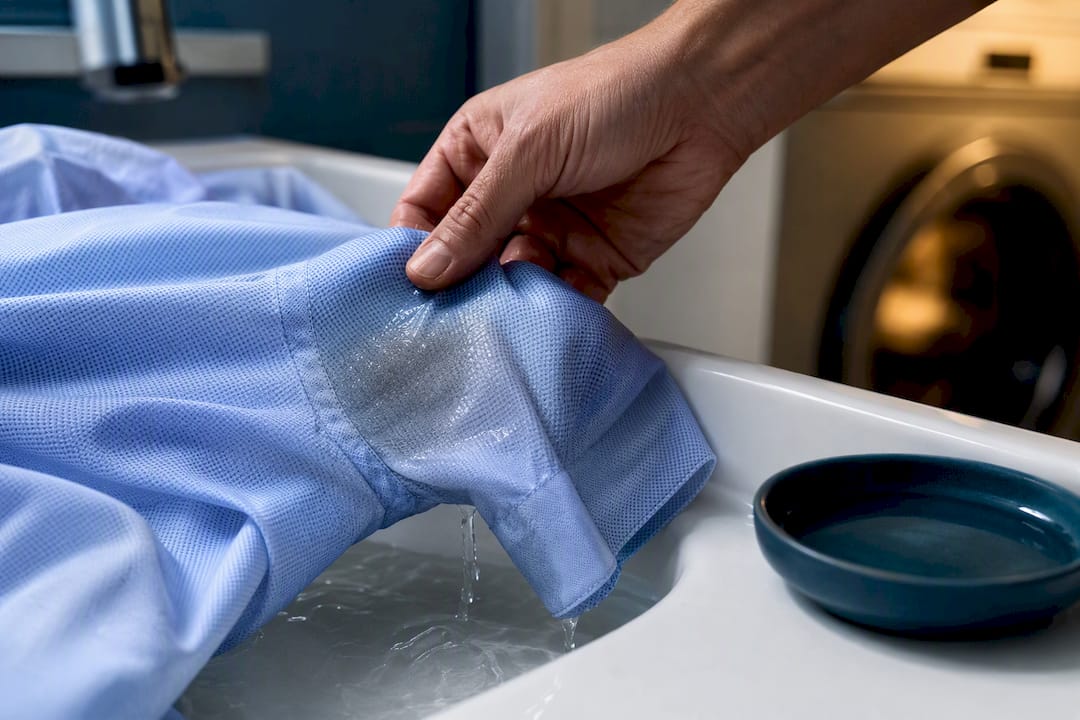
A careful stain workflow, identifying the mark, testing a solvent, then treating it precisely rather than scrubbing indiscriminately, gives the best chance of removal without damaging surrounding fabric. If a cleaner can’t describe something like this, assume they’re not doing it.
How do you prepare a suit for collection or drop-off?
A few minutes of preparation saves both time and money at the counter. Before your suit leaves the house:
- Check the care label and mention any unusual fabric to the cleaner.
- Point out specific stains rather than assuming they’ll be spotted.
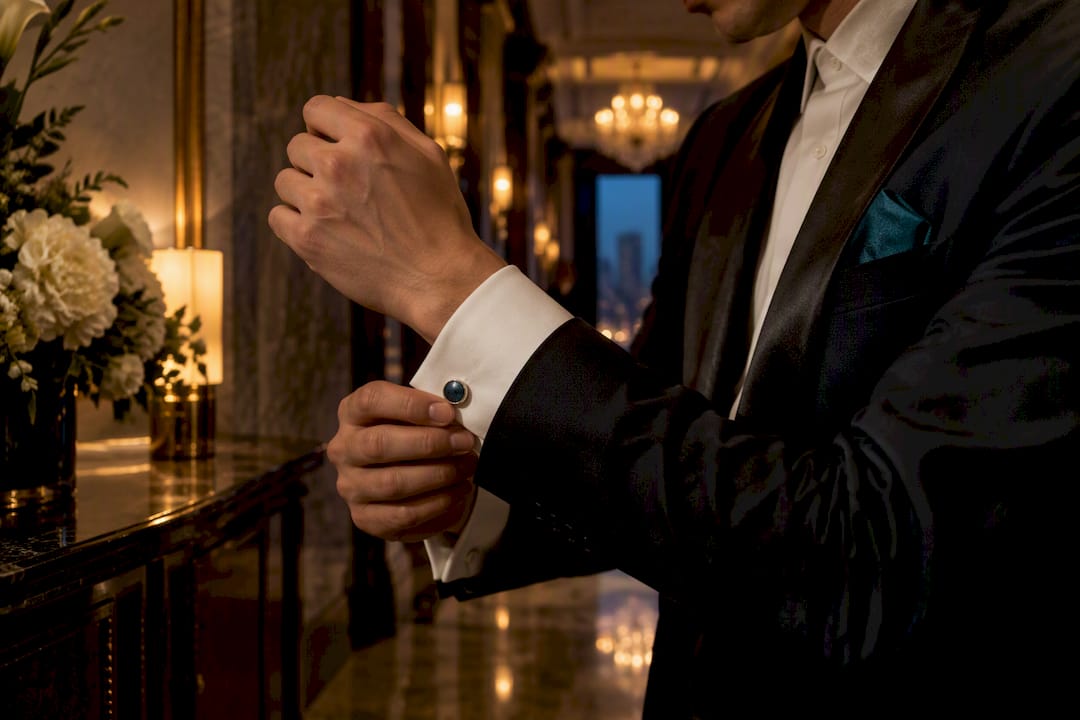
- Empty every pocket and unpin cufflinks or removable buttons.
- Button the jacket so it holds its shape during transport.
- Note loose threads or minor tears so they’re not mistaken for cleaning damage.
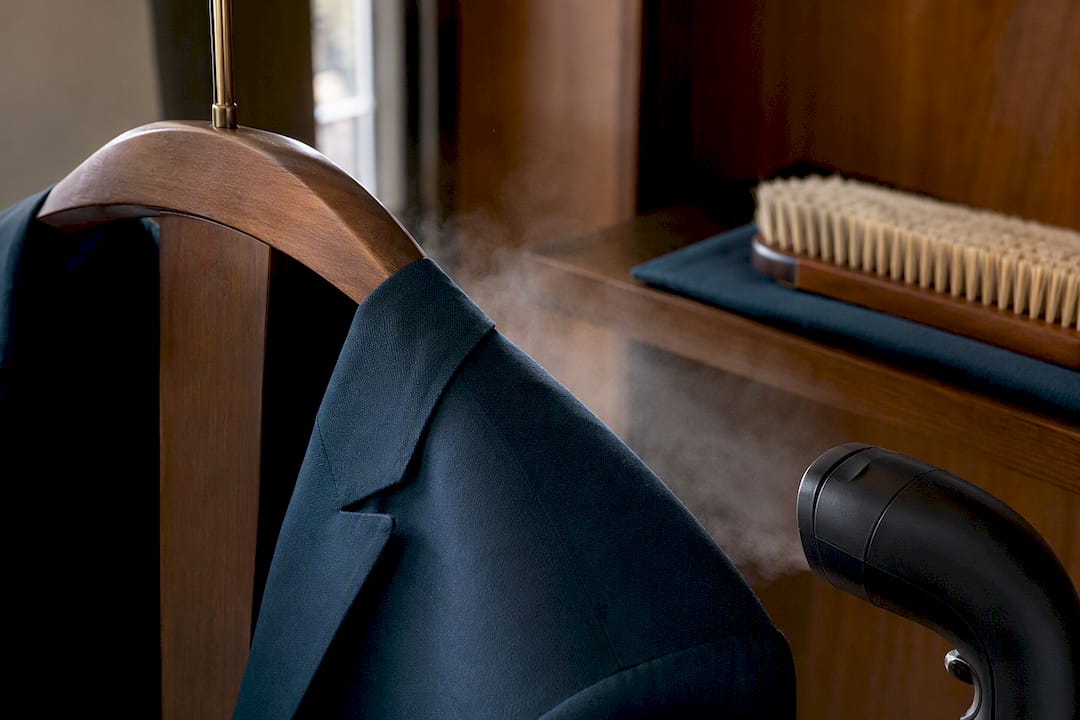
Between professional cleans, steaming and airing do most of the maintenance work. Steam refreshes fabric and lifts odours without exposing wool to solvents, which is why learning to steam a suit at home is worth the ten minutes it takes. A natural-bristle brush after each wear, an hour on a wide wooden hanger to air out, and proper airflow in storage all extend the gap between chemical cleans. Save specialist handling requests for embellishments, beading or anything stitched into the lining. That’s not a job for a home iron.
What does suit dry cleaning cost and how long does it take?
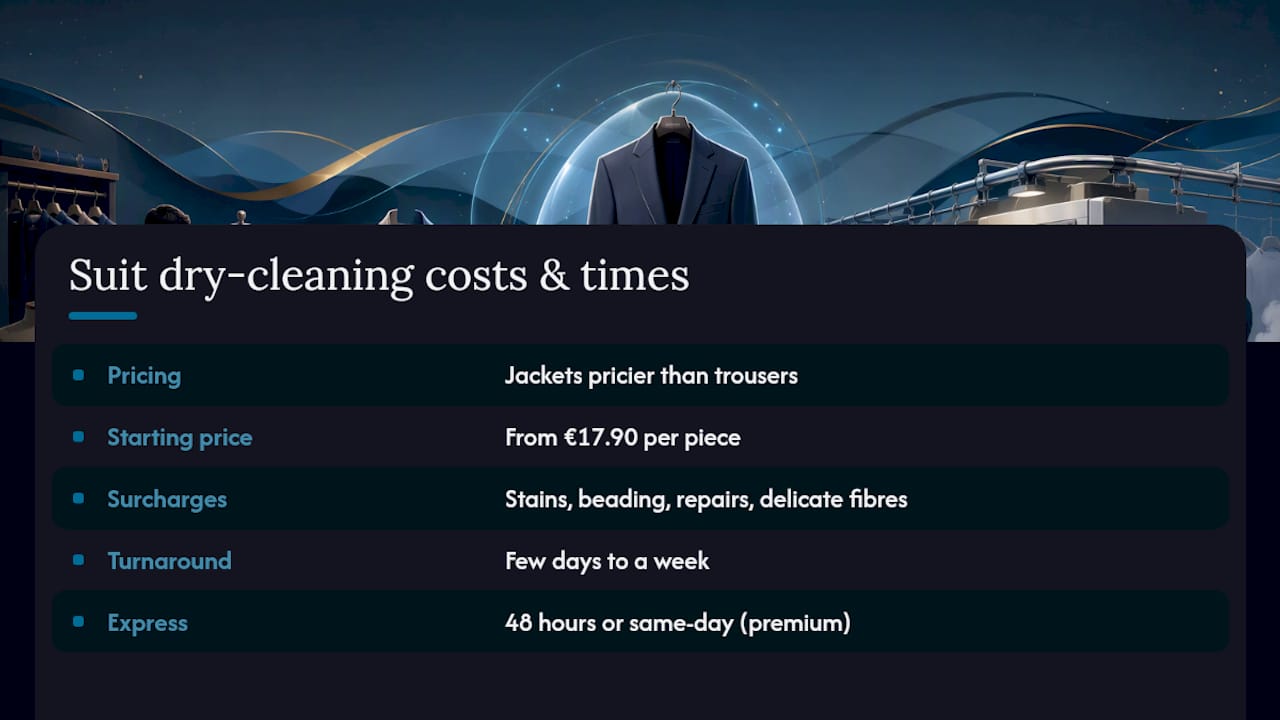
Expect jackets and trousers to be priced separately rather than as a flat “suit” rate, with jackets typically costing more due to the extra fabric and structure involved. Pricing commonly starts from around €17.90 for a single piece at the lower end of the market, though specialist cleaners charge more for hand finishing and inspection work.
Several factors push the price up. Heavy staining needs extra treatment time. Embellishments such as beading or embroidery require hand work that machines can’t replicate. Repairs, a loose button, a frayed cuff, get billed separately if you ask for them alongside the clean. Delicate fibres like silk or cashmere often carry a surcharge because they demand gentler handling and slower drying.
Standard turnaround usually runs a few days to a week, with express services promising 48 hours or same-day for a premium. Some cleaners set a minimum order for pickup and delivery, so a single shirt might not qualify without adding another piece.
A tailor’s view on why structured suits need specialist care
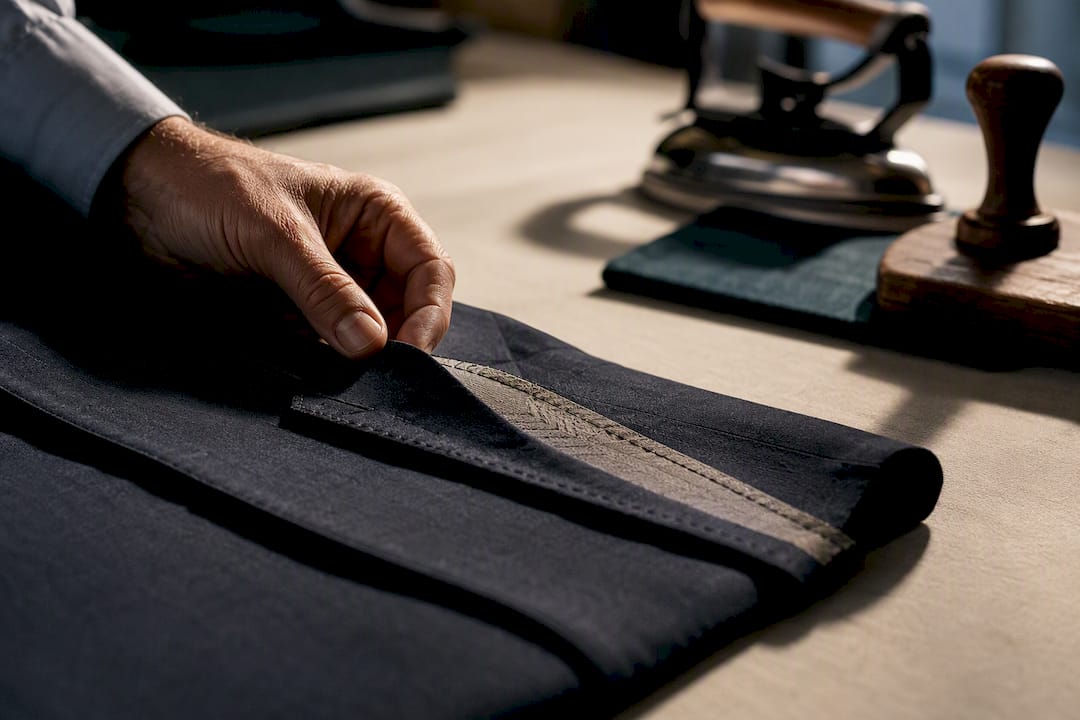
A canvassed jacket isn’t just cloth. It’s built around a floating layer of horsehair or cotton canvas that gives the chest and lapel their roll, and that structure is easy to damage with the wrong heat or pressure. Incorrect pressing can permanently flatten a lapel’s intended curve, and once that happens, no amount of steaming brings it back.
This is why we always recommend understanding your suit’s construction before choosing where to send it. Half-canvas and full-canvas jackets need hand finishing, not just a hot press. Use wide, curved wooden hangers to hold shoulder shape between cleans, and treat any seam separation or lining tear as a repair job first, cleaning job second. For a well-made bespoke suit, once every three to four months is usually enough, provided you’re steaming and brushing between wears.
Our view: fewer chemical cleans, more careful maintenance
We’d rather see a suit steamed and brushed regularly than sent for a chemical clean every fortnight. Natural fibres hold their shape and colour longer when cleaning is occasional and deliberate, backed by prompt repairs rather than repeated solvent exposure. The habit worth adopting: steam after most wears, dry-clean only when genuinely needed.
Ron
When your suit needs more than a clean
A cleaner can lift stains and refresh fabric, but they can’t fix a shoulder that’s dropped, a lining that’s torn, or a fit that’s changed with your body. That’s where a tailor becomes the better first stop, particularly for structural repairs, permanent alterations, or re-lining a jacket that’s otherwise still got years in it.
A tailor’s practice often emphasizes long-term care, addressing fit, structure and repairs that sit outside what most cleaning services offer. If a jacket needs its canvas re-set or a waistband taken in rather than just refreshed, that’s a conversation for a tailor, not a counter clerk. Our suits, sports jackets and tuxedos start from £2,170, with trousers from £290 and shirts from £199, each built to be maintained and altered for years rather than replaced. If your suit needs alteration, repair, or a second opinion on its construction, book a consultation and let us look at what it actually needs.
Sources
- Der ultimative Pflegeratgeber für Ihren Anzug: Tipps zur Reinigung und nachhaltigen Pflege | Laurastar
- Anzug reinigen lassen: Kosten ab 17,90 € | Textilpflege VUX
FAQ
How much does it cost to dry clean a suit?
Prices are typically set per piece, with jackets costing more than trousers due to extra fabric and structure. Rates commonly start from around €17.90 per item, rising with embellishments, delicate fibres or added repairs.
Is dry cleaning a suit worth it?
Yes, for structured suits with canvassing or lining, solvent-based dry cleaning protects the shape in ways machine washing can’t. It’s worth combining with regular steaming so you’re not paying for a full clean more often than necessary.
Can any suit be dry cleaned?
Most wool, cashmere and silk-blend suits can be dry cleaned safely, but specialist fibres and embellished pieces need a cleaner experienced with that specific fabric. Always check the care label and flag anything unusual before drop-off.
Does my suit need dry cleaning, or will steaming do?
A quick steam handles wrinkles, odour and light refreshing between wears, and reduces how often a suit needs solvent cleaning. Visible stains, heavy soiling, or a suit that’s been worn several times without a break still call for a proper clean, typically every three to four months for regular wear.