Fix a Shirt Collar Gap in 5 Minutes, or Know When to Tailor

A collar gap is the space between the collar and your neck or jacket that stops the shirt from lying flush against your skin. A small, even gap is normal and expected, but a wide or uneven one that makes the jacket collar lift away is a fit problem worth solving. Start by checking your collar stays, your collar size and your tie knot before reaching for a tailor.
TL;DR:
- Proper collar stays, a well-fitted tie knot, and high-quality interlining significantly reduce collar gaps and prevent collar deformation over time.
- Jacket fit issues like shoulder misalignment, incorrect back length, and collar roll often cause gaps more than shirt design flaws.
- Tailoring adjustments can effectively fix collar gaps caused by jacket imbalance or size mismatch, rarely requiring shirt recutting.
- Choosing shirts with firm interlining, sewn-in collar stays, and reinforced gussets helps prevent collar gaps and maintain shape during wear.
- Persistent collar gaps despite quick fixes indicate structural issues with the jacket or shirt, making bespoke tailoring the most durable long-term solution.
Table of Contents
- What causes a collar gap: shirt, jacket and layering factors
- Quick at-home fixes you can try now
- When tailoring is the right solution
- Prevention and buying advice for collar construction
- Tailor’s perspective: how bespoke stops collar-gap issues
- The real lesson behind collar gap complaints
- If you prefer a lasting fix, book a fitting or explore tailored shirting
- FAQ
- Selected resources and partner pages for further reading
What causes a collar gap: shirt, jacket and layering factors
A gap rarely has one single cause. The most common culprit is a mismatch between collar circumference and neck size, often made worse by a tie knot that is too small or too loose to fill the collar band properly. Weak or missing interlining is another frequent offender: without a firm interlining, the collar loses its structure and folds away from the neck rather than curving around it. Bespoke shirting with proper construction tends to resist this kind of collapse far better than lightweight ready-to-wear alternatives.
Jacket fit plays its own part. Poor shoulder construction, an incorrect back length or a jacket collar that has not been set to follow the shirt collar’s roll will all push the jacket away from the neck, creating a gap that has nothing to do with the shirt at all. Layering adds a further variable: a bulky jumper or scarf worn beneath a jacket can force the jacket collar outward, exaggerating a gap that would otherwise be barely noticeable.
Causes worth checking, roughly in order of likelihood:
- Collar circumference too large or too small for your neck and preferred knot
- Missing, bent or incorrect-length collar stays
- Weak interlining or a poorly stitched collar stand
- Jacket shoulder fit, back length or collar roll out of balance
- Bulky layering beneath the jacket collar
Quick at-home fixes you can try now
Before booking an appointment, there is plenty you can do yourself. Work through these in order, starting with the simplest.
- Inspect your collar stays first: remove them, check for bends or wear, and replace with proper-length metal or quality plastic stays if they are damaged or missing.
- Try a slightly larger or tighter tie knot to fill the collar band and pull the points closer to the neck.
- Use a discreet collar insert or collar clip for an event where you need an instant, temporary fix.
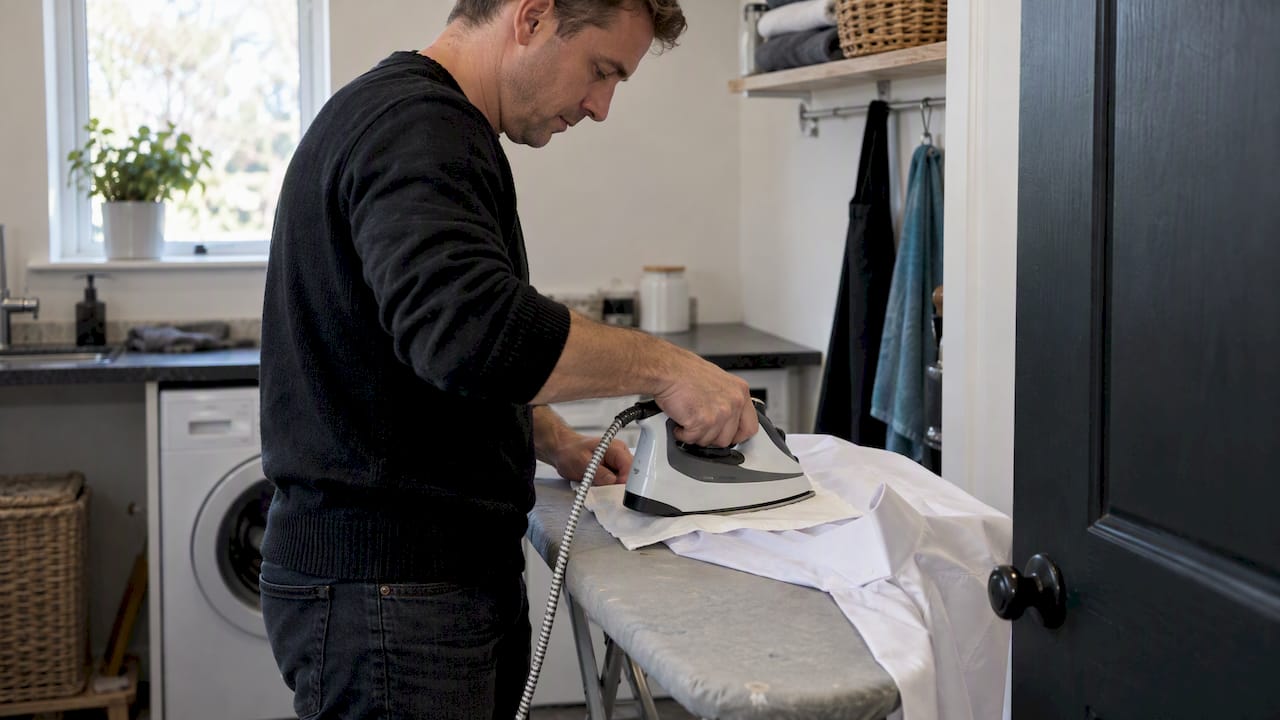
- Press or steam the collar gently, working with the fold rather than flattening it, to help reshape the curve without stressing the interlining.
Collar clips, inserts and double-sided tape all work, but they mask the problem rather than solve it. They are worth keeping in a drawer for a wedding or a last-minute meeting, not as a daily routine.
Pro Tip: Press collars on a low to medium setting with a cloth barrier. Too much heat can damage the interlining permanently and make the gap worse over time.
If you find yourself reaching for stays and clips every single day, the issue is almost certainly structural rather than cosmetic, and that points towards tailoring.
When tailoring is the right solution
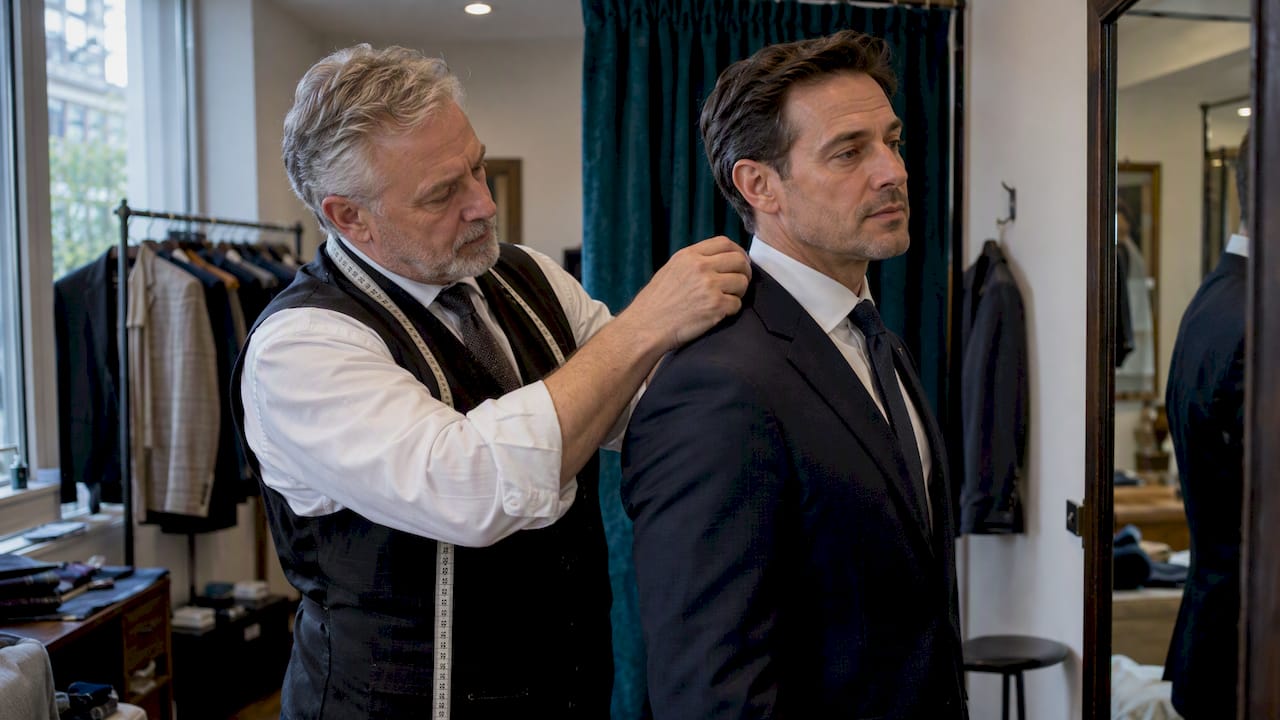
A tailor’s first job is diagnosis, not alteration. Three checks tend to reveal where the real problem sits:
- Shoulder sit: whether the jacket shoulder seam follows your natural shoulder line or sits off it
- Jacket balance: whether the front and back lengths hang evenly, which affects how the collar sits at the back of the neck
- Collar roll: whether the jacket collar has been set to follow the curve of the shirt collar underneath it
These three tailor checks usually identify whether the jacket, not the shirt, is the actual cause. Once the diagnosis is clear, a tailor can reduce a collar that runs too large, reset a jacket collar to follow the shirt’s roll, or adjust back length to correct balance. These are all achievable, reasonably priced alterations with a predictable outcome.
Recutting a shirt collar is a different matter. It demands unpicking the collar stand, often weakens the interlining, and rarely returns the crisp result of a well-drafted original. For that reason, most tailors treat it as a last resort rather than a first move. A typical consultation involves trying the garment on, identifying which of the three checks is failing, and discussing whether the fix is a same-day adjustment or something that needs a return visit. Expect alterations to take anywhere from a few days to a couple of weeks, depending on complexity.
Prevention and buying advice for collar construction
The best way to avoid collar gap is to choose shirts built to resist it in the first place. A firm interlining in the collar stand is the main defence against collar deformation during normal wear, and it is also what keeps a collar from developing the wavy, softened look sometimes called “bacon neck”. Quality construction, including proper collar-stay pockets, helps the collar stay crisp through a full day of movement rather than only at nine in the morning.
When buying, look for:
- Firm interlining that holds its shape when you flex the collar gently between your fingers
- Collar-stay pockets sewn in, not just a flat collar with nothing to anchor a stay
- A well-constructed placket and reinforced gussets, which reduce fabric pull that can drag a collar out of alignment
- A collar shape sized to suit your face and proportionate to your usual tie knot and tie width
Care matters just as much as construction. Excessive heat in a tumble dryer or a hot iron can damage interlining over time, so gentle laundering and a lower iron setting will keep a collar’s shape intact for years rather than months.
Tailor’s perspective: how bespoke stops collar-gap issues
At a bespoke fitting, we look at the same three points a good tailor always checks: shoulder sit, jacket balance, and how the collar rolls once it meets the shirt beneath it. The advantage of building from scratch is that none of these are left to chance. Collar size is drafted to your exact neck measurement, interlining is chosen for weight and climate, and jacket balance is set into the pattern rather than corrected afterwards.
A collar that is drafted to the individual, rather than adjusted after the fact, rarely needs the daily fixes that mass-produced sizing requires.
We have spent decades refining exactly this kind of fit problem, and our shirting collection and tailor-check guidance reflect what we have learned along the way.
The real lesson behind collar gap complaints
Most advice on collar gap treats it as a shirt problem, and that is where it falls short. In our experience, the jacket is just as often the culprit, yet collar stays and knot adjustments get all the attention because they are the fastest, cheapest things to try.
The judgement worth taking away is this: quick fixes deserve five minutes of your time, not five years of your patience. If a collar clip or a new stay solves the issue once and for all, fine. If you are reaching for the same trick every week, that is a signal, not a solution.
Prioritise diagnosis over disguise. A shoulder that sits wrong or a jacket that was never balanced correctly will keep producing the same gap no matter how many stays you buy. Fix the structure first, and the small daily habits become genuinely optional rather than essential.
Ron
If you prefer a lasting fix, book a fitting or explore tailored shirting
If collar gap keeps returning no matter what you try, the underlying cause is almost always something built into the garment rather than something you are doing wrong. Bespoke shirting and tailored jackets address this at the construction stage: collar size drafted to your neck, interlining chosen for your climate, and jacket balance set before the first stitch rather than corrected afterwards.

A consultation is straightforward. Bring a shirt that fits well around the body but shows the gap, and we can pinpoint whether the issue sits in the collar, the jacket, or both. From there, our shirting collection starts from $199, and our pricing page sets out the full range of tailored jackets and suits alongside it.
FAQ
How much collar gap is acceptable?
A small, even gap of a few millimetres around the whole collar is normal and expected, since a shirt collar needs some room to move with the neck. A gap becomes a problem when it is uneven, wide enough to show daylight at the back, or visible enough to lift the jacket collar away from the neck.
Can a collar gap be fixed?
Yes, in most cases. Minor gaps often respond to new collar stays or a different tie knot, while gaps caused by jacket balance or shoulder fit usually need a tailor to reset the jacket collar or adjust the back length.
Is there a way to make a shirt collar tighter?
A tighter knot or a slightly smaller tie fills more of the collar band and pulls the points closer to the neck. If the collar itself is genuinely too large for your neck measurement, a tailor can reduce the collar rather than relying on the tie to compensate.
How to avoid bacon neck?
So-called “bacon neck”, the wavy, softened look a collar develops over time, is best avoided by choosing shirts with firm interlining and proper collar-stay pockets from the start. Gentle laundering and a lower iron temperature also help preserve that interlining, which keeps the collar crisp for far longer.
Selected resources and partner pages for further reading
- Which Dress Shirt Collar Should You Actually Wear?
- Notch, Peak, or Shawl: How to Choose Your Lapel Style
- Necklines explained, plus rules to pick the right one